


Strong Systematic Reviews Begin with Strong Literature Searching
This story is not about me. It is about Mrs. Indira, the librarian at Amrita Institute of Medical Sciences, Kochi, whose persistence helped create learning opportunities for more than a hundred researchers and reinforced an important truth: strong systematic reviews begin with strong literature searching.
At QMed, we often emphasize that literature searching is not merely one step in the systematic review process. It is the foundation on which the entire review is built. A weak search strategy can miss important evidence. A strong search strategy improves the chances of identifying all relevant studies and strengthens the quality of the final review.
Mrs. Indira has long believed in the importance of the work that QMed does. For some time, she had hoped to arrange QMed workshops and provide access to QMedCourses for her institution. Then an opportunity presented itself.
Recognizing an Opportunity
When the Research Director at the institution expressed interest in organizing a session on systematic reviews, Mrs. Indira highlighted an important point.
Before researchers learn the advanced processes involved in conducting systematic reviews, they need to understand how to search effectively for the literature that forms the basis of those reviews.
She explained that a workshop on literature searching would be the ideal starting point. The suggestion was accepted, and a workshop was scheduled for May 30.
An Overwhelming Response
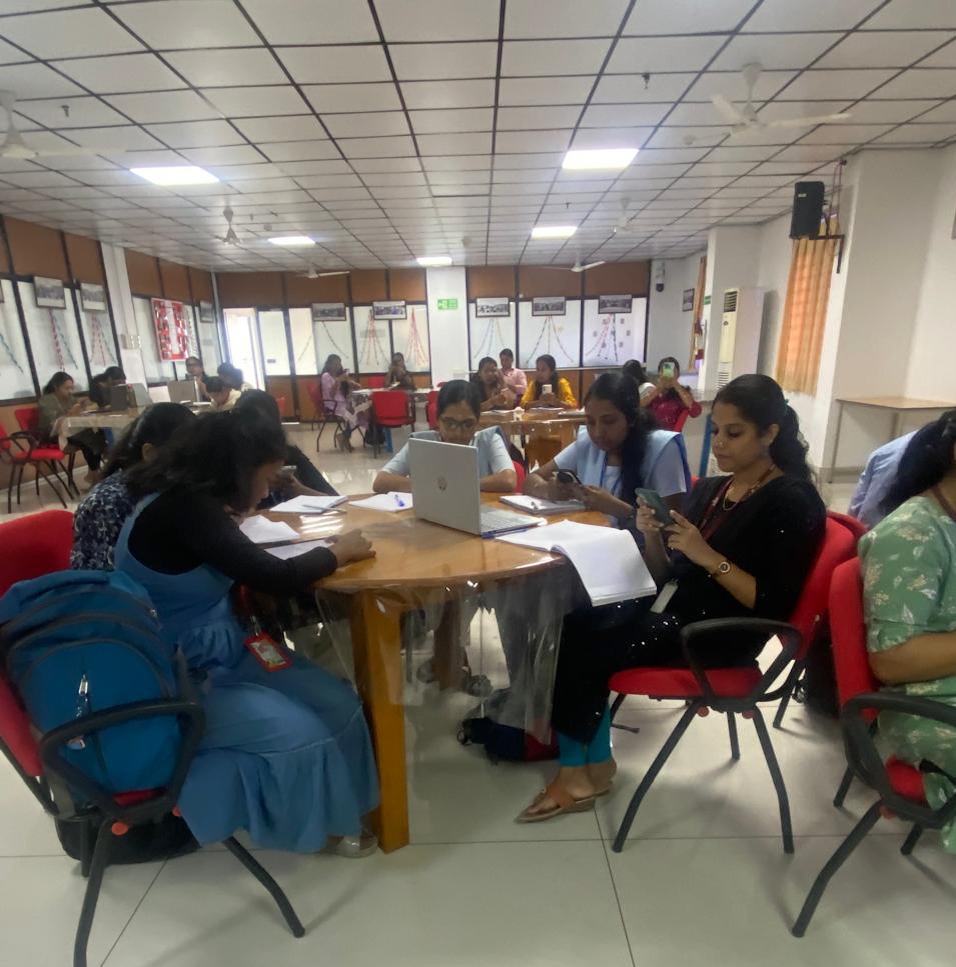
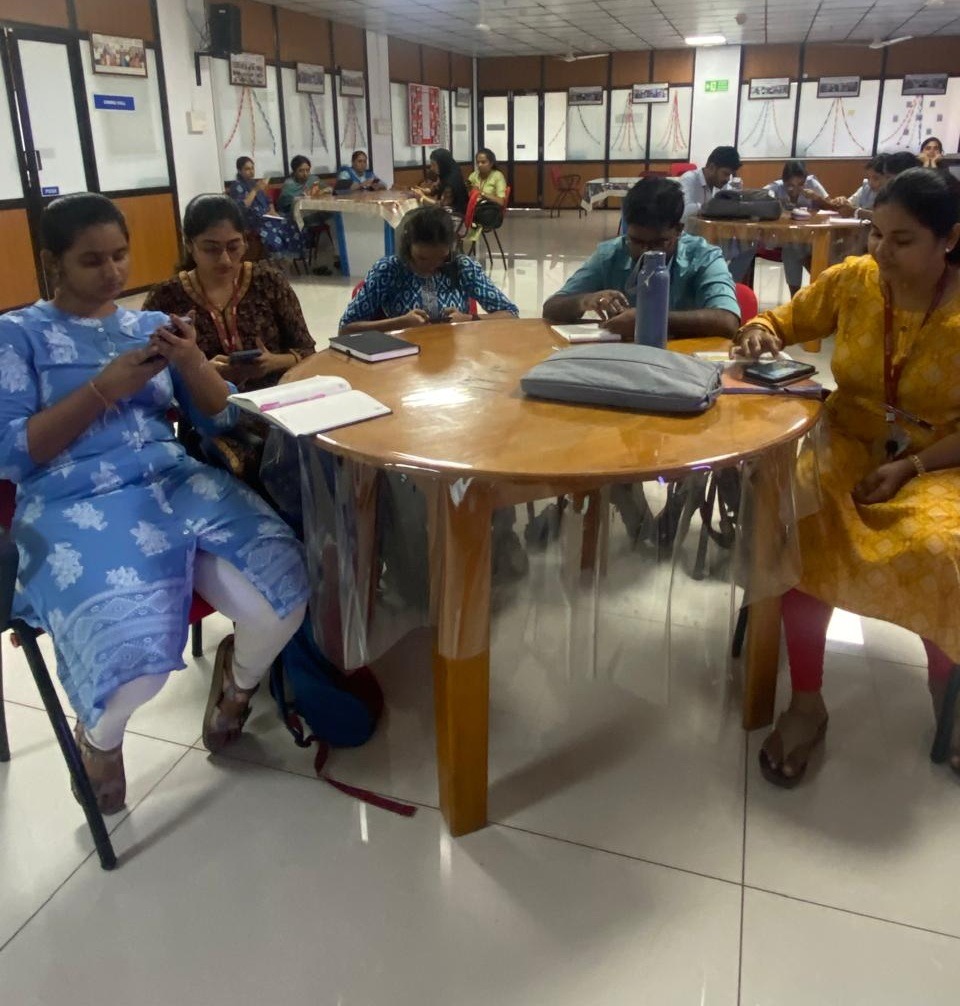
We usually prefer workshop groups of around 30 participants. This allows ample interaction, discussion, and hands-on practice, resulting in the most effective learning experience.
When registrations opened, however, the response exceeded all expectations.
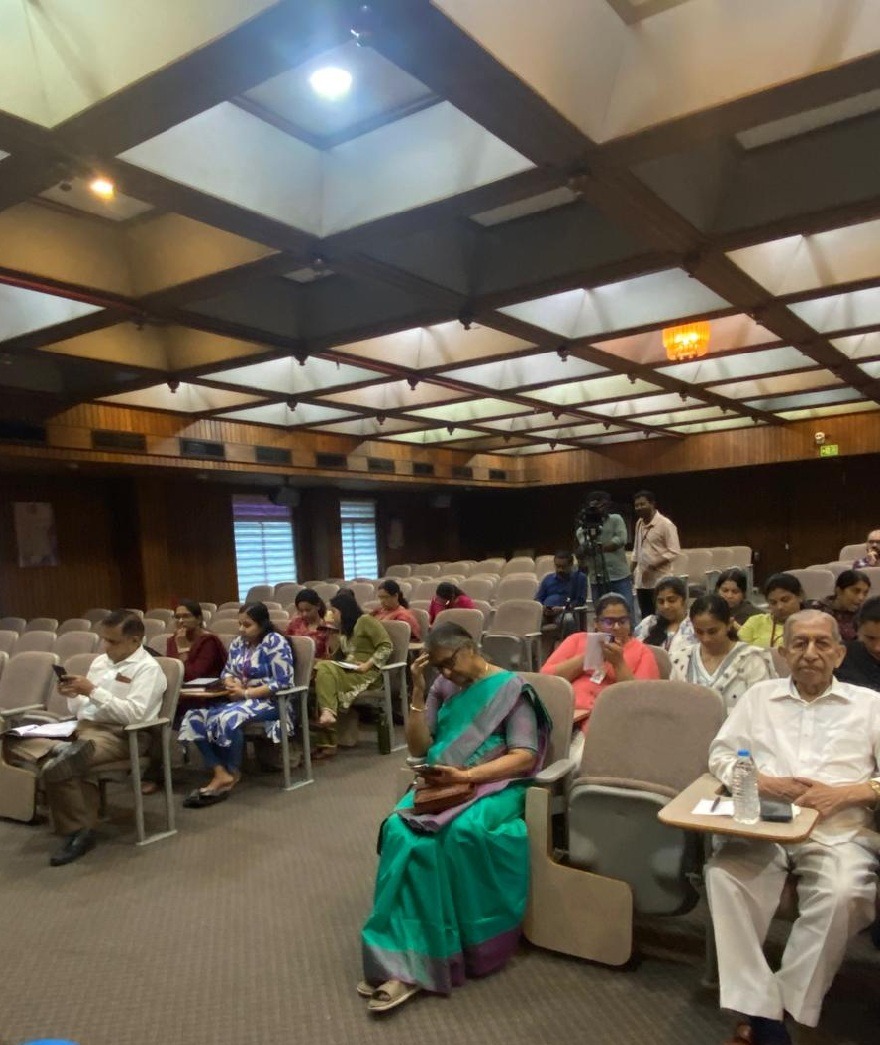
Around 150 people expressed interest in attending.
To accommodate the demand, we increased the number of participants to 50. Even then, many applicants were unable to attend. What happened next was particularly encouraging—the remaining applicants requested that the workshop be repeated.
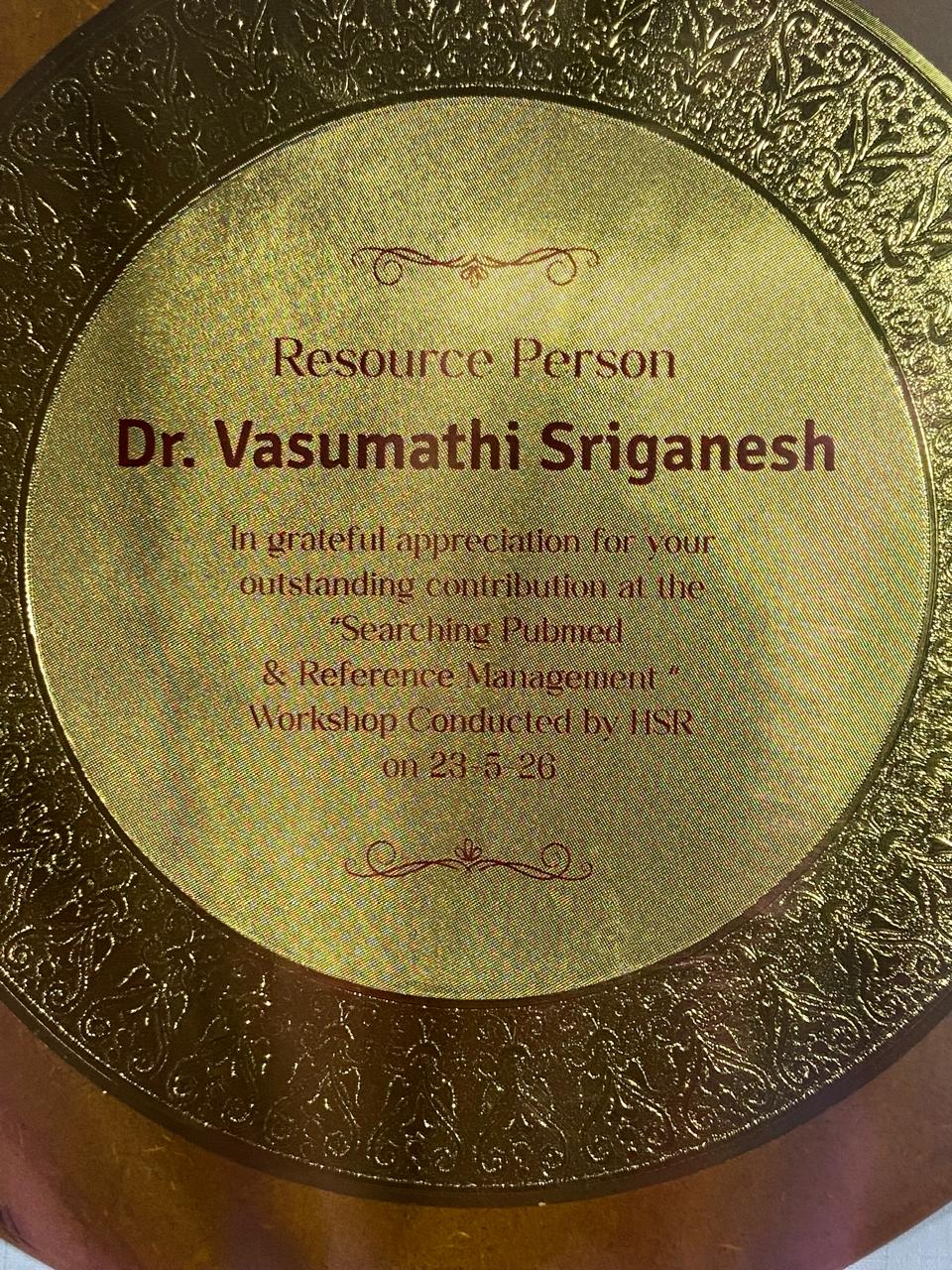
As a result, I returned exactly one week later and conducted two additional workshops.
For us at QMed, the response was both gratifying and revealing. It demonstrated a genuine appetite among researchers, faculty members, and students to learn these essential skills.

Why the Basics Still Matter
One of the most important messages we shared during these workshops was that concepts often described as “basic” are actually fundamental to effective literature searching.
Participants learned about:
- Search tags and fields
- Boolean operators
- MeSH (Medical Subject Headings)
- Truncation techniques
These concepts are sometimes overlooked because they appear simple. In reality, they form the building blocks of advanced searching.
Researchers who understand and apply these concepts correctly are able to search more comprehensively, retrieve more relevant evidence, and build stronger search strategies for systematic reviews and other research projects.
Strong systematic reviews begin with strong literature searching, and strong literature searching begins with mastering these fundamenta
A Larger Lesson for Research in India
The experience at Amrita Institute of Medical Sciences highlights an important reality.
There is substantial interest in conducting systematic reviews. There is also growing recognition of the importance of evidence-based healthcare. Yet formal training in literature searching remains limited within many educational programs.
As long as searching skills are treated as optional or assumed rather than taught systematically, researchers will continue to face unnecessary challenges when undertaking evidence synthesis projects.
Strong systematic reviews begin with strong literature searching. If we want stronger systematic reviews in India, we must ensure that these foundational skills are taught early, taught well, and reinforced throughout academic training.
Thank You, Mrs. Indira
This story is ultimately about the impact one committed librarian can make.
Mrs. Indira recognized an opportunity, advocated for foundational training, and helped create learning opportunities for a large number of researchers. Her efforts benefited not only the workshop participants but also the broader research culture within her institution.
At QMed, we are grateful for champions like her. And we remain hopeful that the powerful lesson highlighted by these workshops will gain wider recognition across institutions in India:
Strong systematic reviews begin with strong literature searching
#SystematicReviews #LiteratureSearching #EvidenceBasedMedicine #ResearchSkills #MedicalResearch #HealthResearch #MedicalLibrarians #EvidenceSynthesis #ResearchTraining #QM