

January 2026—after a brief gap—has been full of lecture and webinar invitations, and it has been immensely energising. Across these sessions, we continued to experiment with immediate quizzes in teaching, an approach we first reflected on in an earlier blog post after a couple of lectures in December 2025. These recent talks gave us an opportunity to apply the idea more systematically and observe how it worked with very different audiences.
A Month of Diverse Audiences
So far, our Founder has delivered lectures at four institutions:
- 4th January – Institute of Nutrition and Fitness Sciences
- 6th January – Ayurved Mahavidyalaya, Sion
- 7th January – RA Podar Medical College (Ayurveda), Worli
- 10th January – Foundation for Excellence
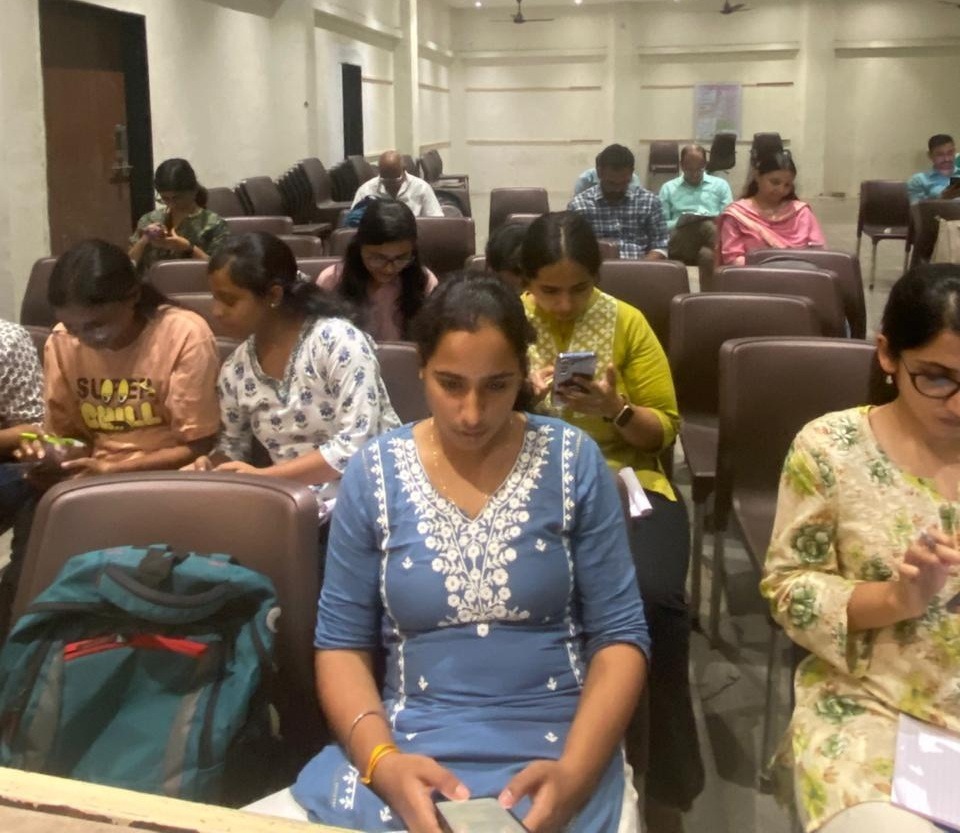
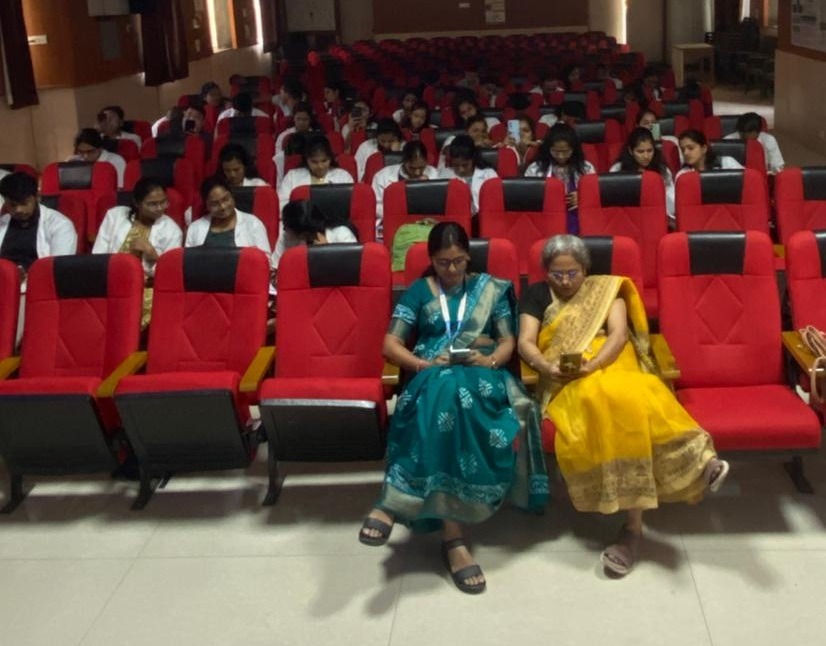
Each session brought a distinct audience. The first included doctors, nutritionists, and fitness professionals. The second and third were attended by Ayurveda postgraduate students and faculty, while the fourth had only MBBS undergraduate students. This diversity made the experience particularly instructive for us.
Immediate Quizzes in Teaching: How We Used Them
Across all four lectures, we focused on three core concepts that are foundational to effective literature searching: Tags, Boolean Operators, and MeSH. For each of these concepts, we followed a consistent teaching sequence:
- We taught a concept
- We showed a few slides and asked participants to respond verbally
- We then administered an immediate quiz
- Finally, we discussed every question once more, helping participants understand where and why mistakes occurred
Since the quizzes were conducted using Google Forms, all participants received their scores and correct answers by email. We encouraged them to revisit these emails regularly and use them as a learning tool, not merely as feedback.
What We Observed
Two observations stood out clearly.
First, undergraduate students consistently performed better than postgraduate participants. While interesting, this was not entirely surprising. This is something we have observed over the years and reinforces our belief that these skills should ideally be taught at the undergraduate stage.
Second—and more importantly—the sessions highlighted a strong need to strengthen foundational understanding. Many challenges arise not from advanced concepts, but from gaps in the basics. We are consciously trying to address this, and these quizzes seem to be helping learners engage more deeply with the fundamentals.
Looking Ahead
Do these methods make a lasting difference? Time will tell. For now, the early signs are encouraging enough for us to continue refining the approach. At QMed, we remain committed to doing something novel—keeping our eyes, ears, and minds open as we look for newer ways to make learning clearer, stronger, and more effective.
ImmediateQuizzes #MedicalEducation #TeachingInnovation #ActiveLearning #LiteratureSearching #ResearchSkills #EvidenceBasedMedicine #HealthSciencesEducation #UndergraduateEducation #MedicalStudents #AyurvedaEducation #QMed