
A conversation that stayed with me
The world’s largest storehouse of knowledge is in the graveyard, said a Professor friend. And that made me feel “The knowledge I carry today must not end with me.”. I must share it
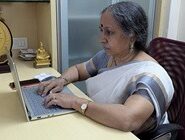
In QMed’s August 2025 newsletter, I had mentioned that I had been interviewed for a podcast as part of my school’s celebration of 40 years of our Alumni Association. Later, a classmate and a good friend, Mohan, was also interviewed as part of the same podcast series, and he happened to mention the above lines.
Mohan had spent a part of his life in China and later made a significant shift — from the corporate world to academics. The interviewer asked him about this transition. Mohan replied that something deeply emotiona drove this decision.
He said:
“A Chinese friend of mine, a professor at a university, had once asked me: Which is the storehouse of knowledge in the world?
I made some guesses – about some academic and research institutions. The professor said, – No. It is the graveyard.
He went on to explain that people with immense knowledge often do not share it, and when they are gone, that knowledge gets buried with them. This moment stayed with me. I realised that even if I possessed only a little knowledge, it should not die with me. I need to share it.”
And soon after, he switched to academics.
Listening to this, I paused. Something hit me. That I have been working at this! I AM sharing my knowledge. But it has reached only a small numerator. There is a huge denominator that I need to reach through QMed.
The knowledge I carry today – it must not end with me
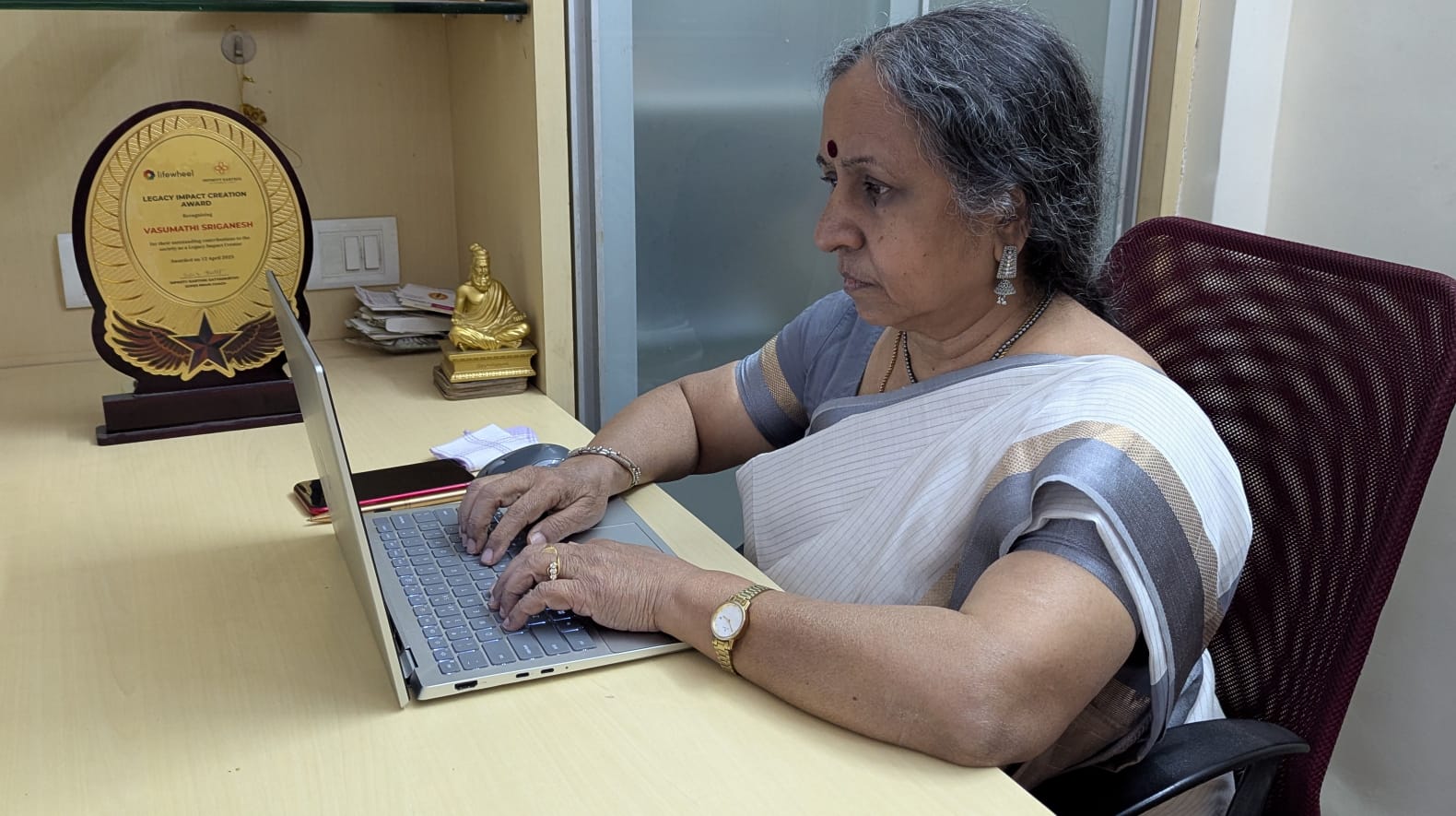
Today, I carry knowledge accumulated over decades. My work as a medical librarian, the years of training students and health professionals, the conferences I attended, the courses I completed, collaborations that I built, and importantly my continuous observing of where research goes wrong — and why – all these have become my cumulated knowledge. This is not theoretical knowledge. It is practical, contextual, and deeply rooted in the realities of health sciences research in India.
Most importantly, it is knowledge I am ready to share. Teaching has been one of my strengths, and I constantly refine how I teach so that learning truly happens — not just instruction.
Working beyond retirement, thinking beyond myself
I have crossed the conventional age of retirement, yet I continue to work with energy and purpose, supported by committed colleagues at QMed. What occupies my thoughts is not how long I continue to work — but what happens to this body of knowledge when I no longer can.
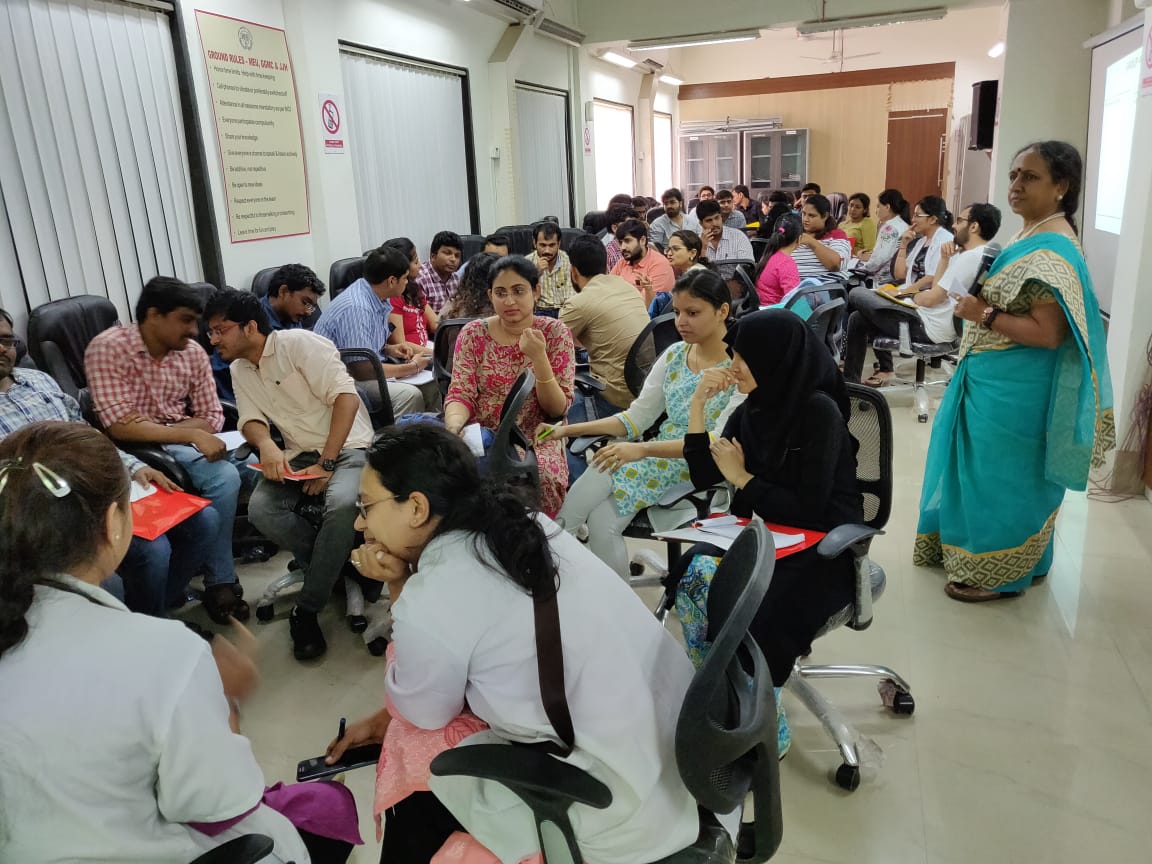
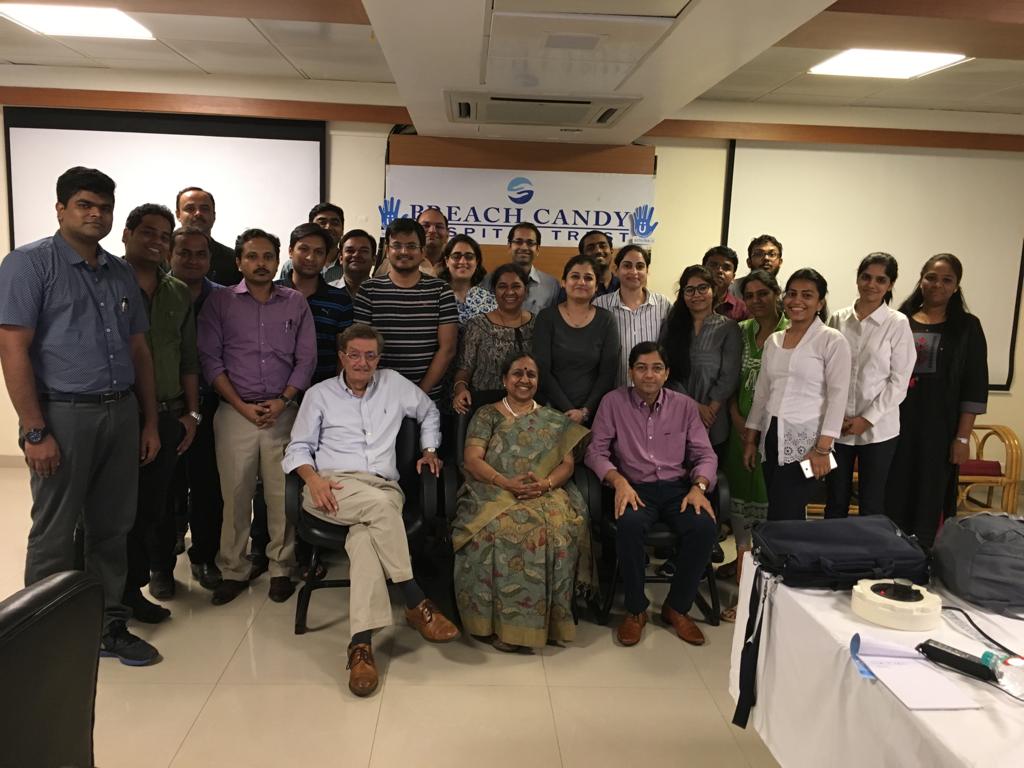
Through QMed, I have delivered over 600 lectures and webinars, conducted 270+ workshops, and most importantly, created QMedCourses.
QMedCourses is probably what matters most! This – because it changes how knowledge is accessed. Anyone can now learn at their own pace and at their own convenience — without being limited by geography, schedules, or institutional constraints. Some of this learning is openly accessible; the rest – people can access at a highly affordable cost — because we strongly believe that meaningful knowledge transfer must be sustainable. It cannot survive on goodwill alone. We need collective ownership and community support.

Going ahead – Building an ecosystem for India’s health sciences
This work extends across multiple formats — from structured workshops and focused lectures, to reflective writing on the QMed Blog and peer-reviewed contributions captured under academic publications. Together, these represent not just teaching activities, but an ecosystem for strengthening research and writing practices in the health sciences.
What will India lose if this does not continue?
- Students of all health sciences streams are not taught the foundational important part of research & practice
- Postgraduate students produce theses which are not based on the best available studies
- Clinicians do not truly understand how to search for evidence.
- Poorly designed research studies prevail
- Systematic reviews not generating the best evidence
- More missed opportunities to raise national research standards.
This is not just an issue of QMed’s legacy or sentiment. Not just abstract losses. The losses affect patients, policies, and public trust in science.
A wake up call
A thought provoking and a tad uncomfortable question for all of us:
Can we really afford this loss simply because such knowledge sharing was not supported, recognised, or carried forward?
The answer is a clear NO. This just should NOT happen. The best part is that what you need to do is not tough. We at QMed do that bit. We will tell you how to support us. Connect with me now – call me or write to me — together let’s make sure that India does not lose our legacy.
#KnowledgeLegacy #HealthSciencesEducation #ResearchQuality #MedicalEducation #EvidenceBasedPractice #QMed
You make a powerful case for the science of research for the medical and Healthcare fraternity. Kudos to your clarity of purpose, passion and enthusiasm for your work.
Thank you so much Deepa! That was lovely